Source Anti Slip Antibacterial Towel Ring for Bathroom, Hotel, and Spa
Find and compare 30 anti slip antibacterial towel ring options from Chinese manufacturers. Evaluate materials like zinc, stainless steel, and brass, along with customization and surface finish details for your sourcing needs; compare the available evidence and request quotations based on your requirements.
Key considerations
Products List


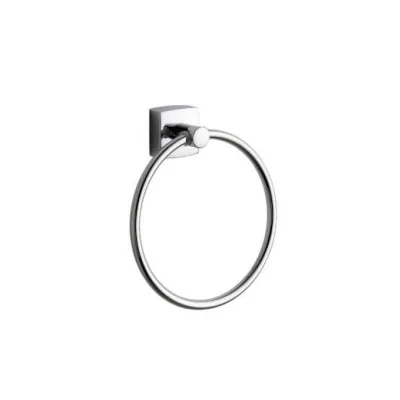


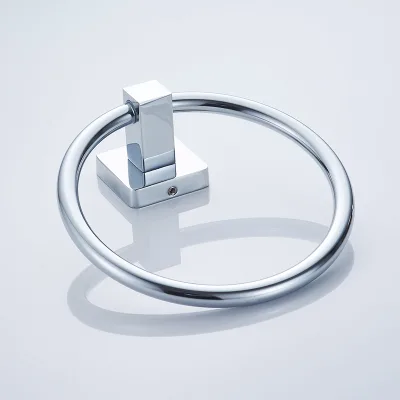


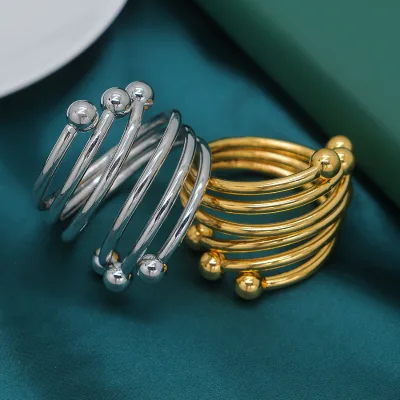


Comprehensive Sourcing Guide
Anti Slip Antibacterial Towel Ring Sourcing Guide
Procurement teams must first distinguish between standard towel rings and specialized units designed with anti-slip and antibacterial properties. While the observed product data confirms the availability of towel rings in materials like zinc, stainless steel, and brass, specific surface treatments such as chrome plating are noted. Buyers should verify if the "anti-slip" and "antibacterial" claims are inherent to the base material or require a specific coating process not explicitly detailed in the general listings.
The observed product range includes various models like TR-001 and ETR-001, with origins in Ningbo and Guangdong. Sourcing strategies should focus on suppliers who explicitly define their antibacterial mechanisms, as the provided facts list general surface finishes like chrome plating but do not confirm specific antimicrobial certifications. Buyers must request detailed technical sheets to ensure the product meets hygiene standards for commercial or household environments without relying on generic material descriptions.
Product Scope and Observed Listing Signals
The current market signals indicate a diverse range of bathroom accessories, including towel rings, shelves, and complete sets. Observed listings feature products with models such as JK990 and LZ-GJ-006, often packaged in white boxes or soft foam bags. While the data confirms the existence of towel rings, the specific "anti-slip" functionality is not explicitly tagged in the provided attributes, requiring buyers to scrutinize product descriptions for grip-enhancing textures or specialized rubberized components.
Price observations range from 0.6 to 18.43 USD, with minimum order quantities varying between 10 and 1000 units. This wide variance suggests that specialized features like antibacterial coatings may command a premium over standard chrome-plated units. Buyers should analyze the correlation between price points and specific material claims, ensuring that higher costs are justified by verifiable performance data rather than generic marketing terms found in the broader product catalog.
Technical Specifications to Verify
Critical verification steps include confirming the exact material composition and surface treatment processes. The supplied facts list zinc, stainless steel, and brass as primary materials, with chrome plating being a common finish. However, to achieve antibacterial properties, buyers must verify if the chrome plating is enhanced with silver ions or if a specific antimicrobial coating has been applied, as standard plating alone does not guarantee bacterial resistance.
Dimensional consistency is another vital technical parameter, with observed sizes ranging from 90mm to 180mm in diameter. Buyers must ensure that the selected model, such as the Dia160mm variant, aligns with their specific installation requirements while maintaining structural integrity. Additionally, the "anti-slip" attribute requires confirmation of surface texture or the inclusion of non-slip pads, which are not explicitly detailed in the current product model specifications.
Compliance and Safety Documentation
Regulatory compliance for bathroom fixtures often involves adherence to international safety and hygiene standards. While the observed data mentions customized standards and OEM capabilities, it does not list specific certifications like ISO 22196 for antibacterial activity. Procurement teams must request third-party test reports to validate any claims regarding bacterial reduction, ensuring the product meets the safety requirements of the target market.
Documentation should also cover material safety, particularly for products intended for commercial use where durability and hygiene are paramount. The listed origins in China and Guangdong suggest a need for rigorous supply chain audits to confirm that the manufacturing processes adhere to environmental and safety regulations. Buyers should insist on certificates of analysis for the raw materials used, ensuring no harmful substances are present in the antibacterial treatments or surface finishes.
Cost Drivers and Commercial Terms
Several factors influence the final cost of specialized towel rings, including material selection and surface treatment complexity. The observed MOQ range of 10 to 1000 units indicates flexibility, but specialized antibacterial coatings may increase the per-unit cost significantly. Buyers should negotiate based on volume tiers, understanding that custom finishes and specific anti-slip designs often require higher minimum orders to justify production setup costs.
Lead times and delivery terms are critical commercial variables, with observed delivery windows extending up to 30 working days. The complexity of customizing surface finishes and ensuring quality control for antibacterial properties can impact these timelines. Procurement strategies should account for potential delays in sourcing specialized materials, ensuring that inventory levels are maintained to prevent stockouts during peak demand periods.
Supplier Qualification and Quality Control
Supplier qualification requires a deep dive into their manufacturing capabilities and quality assurance protocols. The observed data shows a mix of customization options and standard models, indicating that suppliers must have flexible production lines. Buyers should verify the supplier's ability to consistently apply antibacterial treatments and anti-slip features across large batches, as inconsistencies can lead to product failures in the field.
Quality control measures must extend beyond visual inspection to include functional testing of the anti-slip and antibacterial claims. The presence of various packing methods, from white boxes to soft foam bags, suggests that suppliers have different packaging standards. Buyers should establish clear acceptance criteria for packaging and product integrity, ensuring that the final delivered goods meet the specified performance requirements without damage during transit.
Long-Term Procurement Checks
Sustaining a successful supply chain for specialized bathroom fixtures requires ongoing performance monitoring and supplier relationship management. Buyers should implement regular audits to ensure that the antibacterial and anti-slip properties remain consistent over time, as material degradation or process drift can compromise product efficacy. Establishing a feedback loop with the supplier allows for continuous improvement and adaptation to changing market standards.
Long-term contracts should include clauses for quality assurance and performance guarantees, protecting the buyer against defects or non-compliance. The observed variety in product models and origins highlights the need for a diversified supplier base to mitigate risks. By maintaining strict oversight and fostering collaborative relationships, buyers can ensure a steady supply of high-quality, specialized towel rings that meet evolving hygiene and safety expectations.
FAQs
What materials are used for anti slip antibacterial towel rings?
These towel rings are typically crafted from zinc, stainless steel, or brass. Some models also utilize aluminum or mixed materials for durability. The choice of metal affects the weight and corrosion resistance, ensuring the fixture remains sturdy in humid bathroom environments while maintaining a sleek appearance over time.
Can I customize the design of the towel ring?
Yes, customization is available for these products. Buyers can request OEM designs to match specific brand aesthetics. The standard allows for customized specifications, enabling unique shapes or finishes. This flexibility supports commercial projects requiring distinct visual identities while maintaining functional integrity for daily household or commercial use.
What surface finishes are offered for these towel rings?
Common surface finishes include chrome plating and black treatments. Some items feature specific finishes like SSS/Black or golden tones. The surface treatment is often chrome plated to enhance corrosion resistance and provide a shiny, easy-to-clean surface. These finishes ensure the towel ring remains visually appealing in wet conditions.
What are the typical packaging options for these items?
Packaging varies by model but often includes white boxes or white bags. Some items are packed with soft foam plastic bags for protection. Other options involve specific packing and delivering methods. The packaging is designed to prevent damage during transit, ensuring the product arrives in pristine condition for retail or installation.
What is the typical lead time for these towel rings?
The delivery time is generally around 30 working days. This lead time applies to standard production runs for these bathroom accessories. Buyers should account for this duration when planning inventory or project timelines. The timeframe ensures quality control and proper manufacturing processes are completed before the goods are shipped from the origin.
What sizes are available for anti slip antibacterial towel rings?
Available sizes include diameters of 160mm and 145mm. Some models feature specific dimensions like 90mm or rectangular formats such as 173*122mm. The size selection depends on the specific model number and design requirements. These dimensions accommodate standard towel weights while fitting various bathroom wall spaces effectively.